
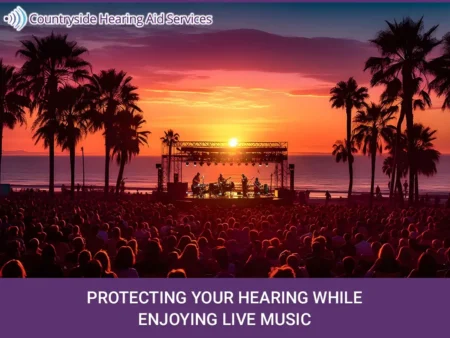
Live music plays an influential role in daily life, shaping social connections, cultural experiences, and emotional well-being through sound. From open-air performances to professionally produced shows, music surrounds listeners in ways that are both enjoyable and immersive. Simultaneously, if individuals fail to take proper precautions, repeated exposure to elevated sound levels can heighten the risk of hearing loss. Understanding how sound affects the ears and knowing when to schedule a hearing test allows individuals to enjoy music responsibly while preserving hearing health. This awareness is particularly valuable for residents and visitors who regularly attend concerts and community events throughout Clearwater.
The impact of live music on hearing health
Live music is a unique sensory experience, but it can also expose people to sound levels that are too high for the ear to handle. Concerts often go over 90 decibels, especially when you’re close to the speakers or in a small space. Being around these levels for a long time or repeatedly can damage the fragile parts of the inner ear. This kind of damage can happen slowly over time, so it might not be readily apparent until it makes communication harder in everyday situations.
Musicians and music lovers are at higher risk, but even occasional attendees can strain their hearing. Temporary tinnitus after a show is often a sign of a stressed auditory system. Repeated stress may cause permanent changes in hearing.
Clearwater concert venues and sound environments
Clearwater has several well-known places that music fans of all ages love to visit. Ruth Eckerd Hall is a classy indoor venue with outstanding acoustics that hosts well-known performers from all over the country. The BayCare Sound amphitheater is an outdoor space by the water where sound travels differently through open space. These places have their own sound environments, and knowing what makes them different can help people choose where to sit and how much exposure they want.
Outdoor venues often spread sound more widely, while indoor halls may make it louder and cause more echo. Standing closer to speakers, no matter where they are, makes the sound louder and increases the risk of getting tired of it.
Practical steps to protect your hearing
You don’t have to avoid concerts altogether to protect your hearing. Simple steps can greatly lower risk while still allowing for fun. One beneficial option is to wear high-fidelity earplugs. These devices evenly lower the volume across all frequencies, keeping the music clear and balanced. Taking breaks to listen during performances gives your ears a chance to rest, especially during longer ones.
It’s also important to choose your seat wisely. Avoid direct exposure to loud sound waves by sitting or standing farther away from the speakers. If you’re at an outdoor concert, standing upwind can further reduce the sound. Noticing how your ears feel before, during, and after a performance can help you make better choices.
When to consider a professional hearing evaluation
Regular hearing tests are very helpful for detecting changes early. Adults who attend concerts frequently or have trouble following conversations in noisy places may want to get a hearing test. Early assessment lets professionals see small changes before they become a hindrance to everyday communication.
Hearing tests don’t hurt and give you information about how well your ears process sound. Results can help make personalized suggestions, like protective strategies or hearing technology when needed.
Frequently asked questions about hearing and live music
How loud is too loud at a concert?
Exposure to sounds above 85 decibels can become harmful with prolonged exposure. Many concerts exceed this level, especially near speakers.
Can hearing damage occur without pain?
Yes. Hearing loss often develops without discomfort. Ringing or muffled hearing after an event indicates ear stress.
Are earplugs effective for music?
High-quality concert earplugs reduce volume while preserving sound clarity.
How often should adults have their hearing checked?
Adults with regular noise exposure should consider periodic hearing evaluations, even if no symptoms are present.
Staying engaged with sound in everyday life
Clearwater offers a rich mix of music, conversation, and natural sound that enhances daily living. Protecting hearing ensures continued participation in these experiences with clarity and confidence. By combining awareness, preventive measures, and professional guidance, residents can enjoy live music while supporting lifelong auditory health.
In Clearwater, maintaining hearing wellness begins with informed choices and professional care. To learn more about hearing evaluations, hearing technology, and personalized guidance, visit Countryside Hearing Aids and take the next step toward protecting your ability to hear the moments that matter most.
Picture Credit: 123rf.com