
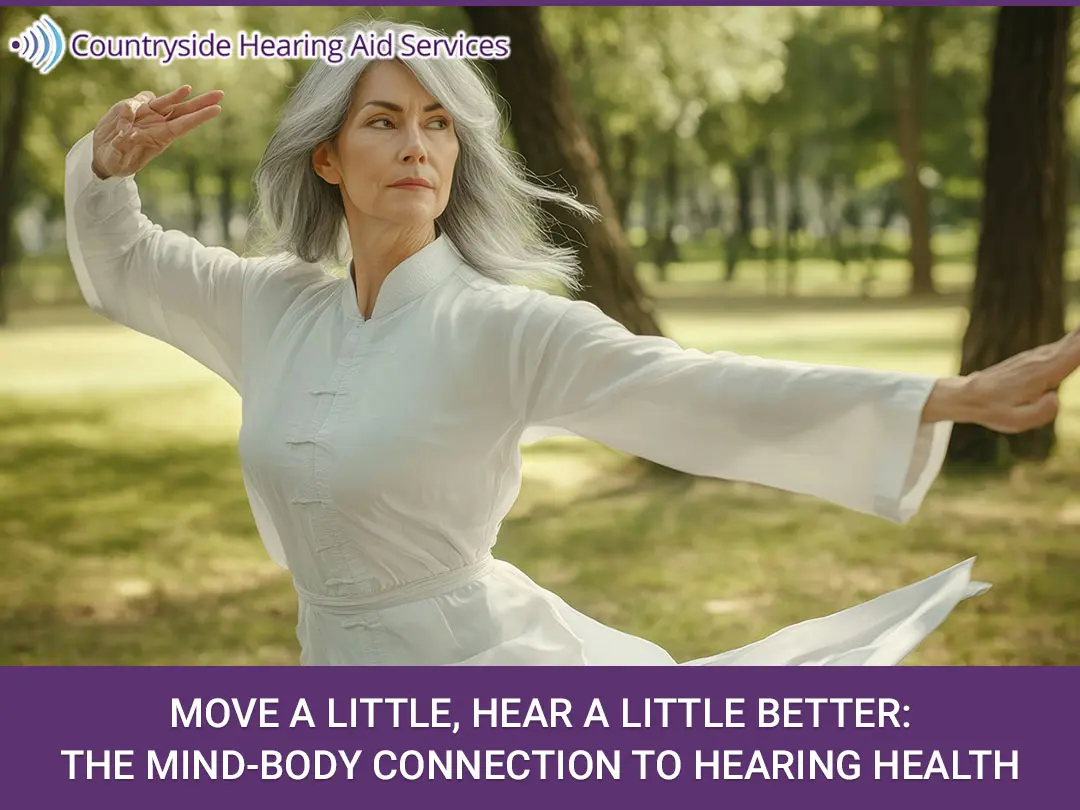
Light exercise is often discussed in the context of energy, balance, and heart health, but its effects can extend into less obvious areas of well-being. The mind-body connection is a practical way to describe how movement, stress levels, sleep quality, and circulation influence the body’s overall function. Over time, these factors can shape daily resilience, including how well you manage and respond to hearing-related challenges.
In Clearwater, many adults who make an appointment for a hearing test do so because they notice small changes, like having to ask people to repeat themselves, having trouble in loud restaurants, or feeling unusually drained after talking. Exercise won’t fix hearing loss, but regular light exercise can help the systems that support clear thinking, calmness, and social activity, all of which are closely linked to hearing and communication.
Why the Mind-Body Connection Matters for Communication
Hearing is more than just what your ears do. The brain is crucial for understanding sound, filtering out background noise, and processing speech quickly enough to keep up with a conversation. Stress and lack of sleep can hinder your brain’s ability to focus on speech, particularly in crowded environments. Many people say they feel like “I can hear, but I can’t understand.” That experience can be linked to attention and processing speed, not just volume.
Light exercise helps clear your mind by improving blood flow and reducing stress. Exercise can also help you sleep better, which is when your brain processes what you’ve learned and recharges. Listening is less tiring when your brain is less stressed and more rested. This feature can be helpful for anyone dealing with hearing loss, especially if they are still trying to figure out whether the changes are temporary or part of a longer trend.
Yoga: Balance, Breathing, and Stress Regulation
Yoga is a beneficial low-impact workout because it combines gentle strength and flexibility work with controlled breathing. Breathing is essential for connecting the mind and body. Slow, steady breathing can help the body respond to stress and relax muscles that get tense during long days and tough conversations.
Many people who have trouble hearing also struggle with social situations. They might be worried about missing important information, misunderstanding what to do, or giving the wrong answer. That stress can make it even harder to listen over time. A short, regular yoga routine can help you relax and manage your emotions, enabling you to talk to people with more patience and focus.
Yoga also helps with neck and back pain and posture. Posture alone doesn’t change how well you hear, but standing up straight and comfortably can help you stay alert and engaged while talking to someone.
Walking: A Simple Habit With Broad Benefits
Walking is one of the easiest ways to make exercise a regular part of your life. It helps the heart, stabilizes your mood, and improves blood flow. Those benefits are important because the brain and inner ear need good blood flow to work properly.
Walking is also beneficial for your mental health. It can help people feel less alone by encouraging them to stick to a routine, spend time outside, and interact with others. This information is important to know because people who don’t get treatment for their hearing loss often stop doing things they used to enjoy. People can lose confidence and connection when they don’t go to events because they are too worn out to listen. Walking, especially with a friend or family member, can be a low-pressure way to stay active and get into a healthier daily routine.
Tai Chi: Coordination, Focus, and Fall Prevention
Many people suggest tai chi for older adults because it helps with balance, coordination, and controlled movement. These benefits are important for overall safety, but they also help build confidence. People often feel more stable in public places as their balance improves, which can help them feel less anxious. Less anxiety can help you pay attention, and paying attention is a big part of listening well.
Tai chi is another way to be mindful while moving. It helps you pay attention to your breathing, body position, and slow changes. People with hearing loss can improve their listening skills by engaging in this kind of attention training. It is not a substitute for medical care, but it can help you stay calm and focused.
When a Hearing Test Becomes the Next Step
Exercise can help your overall health, but if you have ongoing hearing problems, you should still see a doctor. A hearing test can help if you have to turn up the TV, mishear words, have trouble hearing in background noise, or feel worn out after talking to someone. Many people are shocked to learn how slowly hearing loss can develop. Early testing sets a baseline, helps find treatable causes, and leads to better long-term outcomes.
If you live in Clearwater and are worried about changes in your hearing, it’s reasonable to look at both sides of the issue: your lifestyle habits that are good for your brain and body and a clinical evaluation that finds out what’s going on with your hearing.
Frequently Asked Questions About Exercise and Hearing Health
Can yoga, walking, or tai chi reverse hearing loss?
No. These activities do not reverse hearing loss. They may support stress management, sleep quality, and overall health, thereby improving listening stamina and daily functioning.
Why do I feel worn out after conversations?
Listening takes effort, especially in noise. When hearing changes occur, the brain works harder to interpret speech. Fatigue can be a sign that you should schedule a hearing test.
How often should I exercise to support overall wellness?
Many adults benefit from light movement most days of the week. Consistency matters more than intensity, and it is wise to choose activities you can maintain.
Should I get a hearing test even if I think my hearing is “mostly fine”?
Yes, if you notice changes or struggle in certain situations. A hearing test establishes a baseline and can reveal patterns that are not obvious day to day.
Can stress make hearing problems feel worse?
Stress can increase irritation, reduce focus, and worsen sleep, making listening feel harder. Managing stress can improve how you cope with hearing challenges. Light exercise supports the mind-body connection by improving circulation, reducing stress, and strengthening balance and focus. Yoga, walking, and tai chi are practical options that can make daily life feel more stable and less exhausting, especially for those navigating hearing-related concerns. If you are experiencing hearing loss or want clear answers through a professional hearing test in Clearwater, contact Countryside Hearing Aids to schedule an evaluation and discuss next steps.
Picture Credit: 123rf.com