
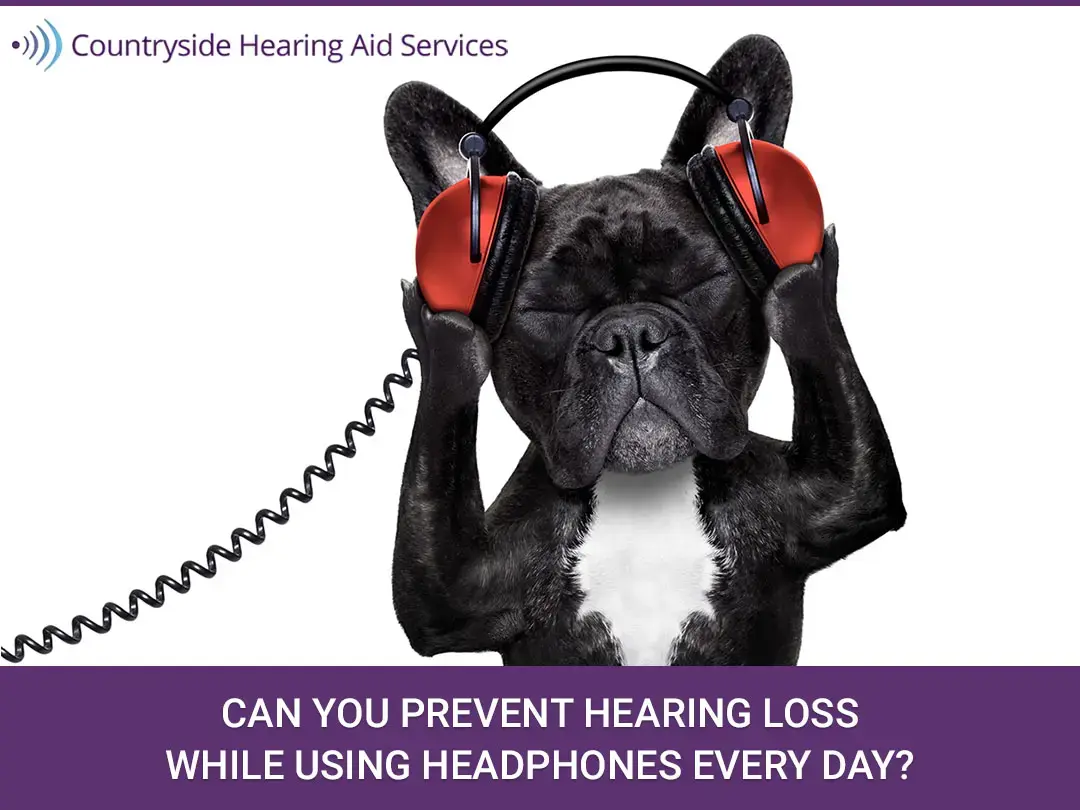
Headphones are now an essential part of daily life. They are used at work, at the gym, while studying, while traveling, and while relaxing at home. While advances in audio technology have improved sound quality and comfort, they have also led many people to spend more time listening on personal devices. At our practice, we advocate for healthy listening habits because repeated exposure to loud sounds can lead to hearing loss. If you’re a Clearwater, FL resident who frequently uses headphones, understanding safe listening habits and getting a hearing test when you have concerns can help you protect your hearing for years to come.
How Headphone Volume Affects Hearing
Inside the ear are tiny hair cells that convert sound vibrations into signals sent to the brain. Unlike many other cells in the body, these sensory cells cannot regenerate after permanent damage. Over time, repeated exposure to loud sound levels can reduce hearing sensitivity, even if such changes are not immediately obvious.
One reason why hearing problems related to headphones can happen gradually is that many people turn up the volume without realizing it. In busy offices, airplanes, fitness centers, and outdoor settings, listeners often turn up the volume to overcome surrounding noise. Repeated exposure over time can put unnecessary stress on the hearing system.
Good listening habits are about more than simply turning down the volume. They also involve taking regular “ear” breaks throughout the day and watching for signs that listening levels may be too high.
Recognizing Early Signs of Hearing Changes
Noise-induced hearing loss usually develops slowly. Conversations may be more difficult to understand in restaurants or other noisy environments. Television volume slowly increases over time. Some people experience ringing in the ears after listening to loud music or going to concerts. Others ask friends or family members to repeat what they said more often.
You don’t want to ignore these symptoms. A professional hearing test can identify hearing changes at an early stage, before they begin to affect day-to-day communication. Early assessment also provides a baseline of hearing to compare with future findings if hearing continues to change.
Listening Fatigue Can Be an Early Warning Sign
You can become fatigued from listening before any measurable change in hearing occurs. After a couple of hours with headphones on, you may find yourself less able to focus on conversations and more easily distracted by background noise than usual.
Listening fatigue is not necessarily a sign of permanent hearing damage, but it can serve as a reminder that the ears and brain need regular breaks of quiet.
Bone Conduction and Open-Ear Headphones
New listening technologies have brought new alternatives to traditional earbuds and over-the-ear headphones. Bone conduction headphones transmit sound through vibrations against your cheekbones, keeping your ear canal open. Open-ear headphones direct sound toward the ears without obstructing the ear canal.
These designs can make users more aware of the sounds around them, which is why they are popular for walking, running, cycling, and other outdoor activities where environmental awareness improves safety. They might also reduce the urge to block out all outside noise.
However, bone conduction and open-ear headphones should not be considered a form of protection against hearing damage. Regardless of the type of headphones used, listening at high volumes can still expose the auditory system to potentially damaging sound levels. Regardless of the type of headphones you use, safe listening habits are equally important.
Simple Habits That Support Healthy Hearing
Many modern smartphones have built-in listening safety features that estimate sound exposure and notify users when listening levels are too high. Using these tools can help reduce unnecessary exposure throughout the day.
Noise-canceling headphones can also help reduce the volume you need to listen at by cutting down on environmental noise. Instead of having to crank up the volume to hear over traffic, aircraft engines, or a busy office, users frequently report hearing better at lower listening levels.
Regular breaks are also helpful. Long periods of listening require your ears to rest and help you form healthy habits while avoiding prolonged exposure to sounds.
Why Regular Hearing Evaluations Matter
Many people believe they only need hearing tests in later life. In fact, all adults should monitor their hearing, especially if they use headphones daily or work in noisy environments.
A professional hearing assessment measures your hearing ability, speech understanding, and the health of your hearing system. The findings help identify changes that may be overlooked and provide recommendations personalized to each individual’s hearing needs.
Early detection of hearing changes often makes it easier to discuss treatment options before communication difficulties interfere with work, family interactions, or recreational activities.
Frequently Asked Questions
Can headphones cause hearing loss?
Listening through headphones at high volume for extended periods may contribute to hearing loss over time. Safe listening habits help reduce this risk.
Are bone conduction headphones safer than traditional headphones?
Bone conduction headphones allow greater awareness of surrounding sounds, but excessive listening volume can still affect hearing. Safe volume levels remain important.
Should I choose open-ear headphones instead of earbuds?
Open-ear headphones may improve environmental awareness and encourage lower listening levels in some situations. However, proper volume control is still necessary regardless of headphone style.
When should I schedule a hearing test?
If you notice ringing in your ears, difficulty understanding conversations, or changes in hearing after frequent headphone use, you should schedule a professional hearing test.
Protecting your hearing begins with healthy listening habits and regular hearing care. If you have concerns about hearing loss or would like to schedule a hearing test in Clearwater, FL, we invite you to contact us. We are committed to helping you maintain healthy hearing and providing personalized care for every stage of life.
Picture Credit: 123rf.com